 Listicle
Signs You Need to Change Your House Locks
Quick Summary
Signs you need to change your house locks include visible wear or damage, keys that stick or turn hard, a lock that won't latch, and locks that fail after the door is properly aligned. After a lost key or break-in, you can rekey or replace the lock, and moving into a new home is a good time to change locks.
- Check for scratches around the keyway, rust on the cylinder, and dents or cracks in the faceplate.
- Stop forcing a stuck key, since it can snap off inside the cylinder.
- Adjust hinges or the strike plate first; replace the lock if it still fails once the door is square.
- Rekeying keeps existing hardware and is often less expensive than full replacement when the lock is in good condition.
- Change exterior door locks first after moving into a new home, before moving in belongings if possible.
Table of Contents
Visible Wear and Damage on Your Locks
Worn or damaged locks are often the first of the signs you need to change your house locks. The signs are usually easy to spot once you know what to look for. Scratches around the keyway, rust on the cylinder, or a bent or missing deadbolt bolt all point to a lock that has stopped doing its job.
Look at the lock from the outside first. Dents, cracks in the faceplate, and chipped edges around the cylinder can weaken resistance to forced entry. Check the strike plate on the door frame too. Loose screws or wood splintering around the plate suggest the lock has been tested by force, even if the door never opened.
Keys That Stick, Catch, or Turn Hard
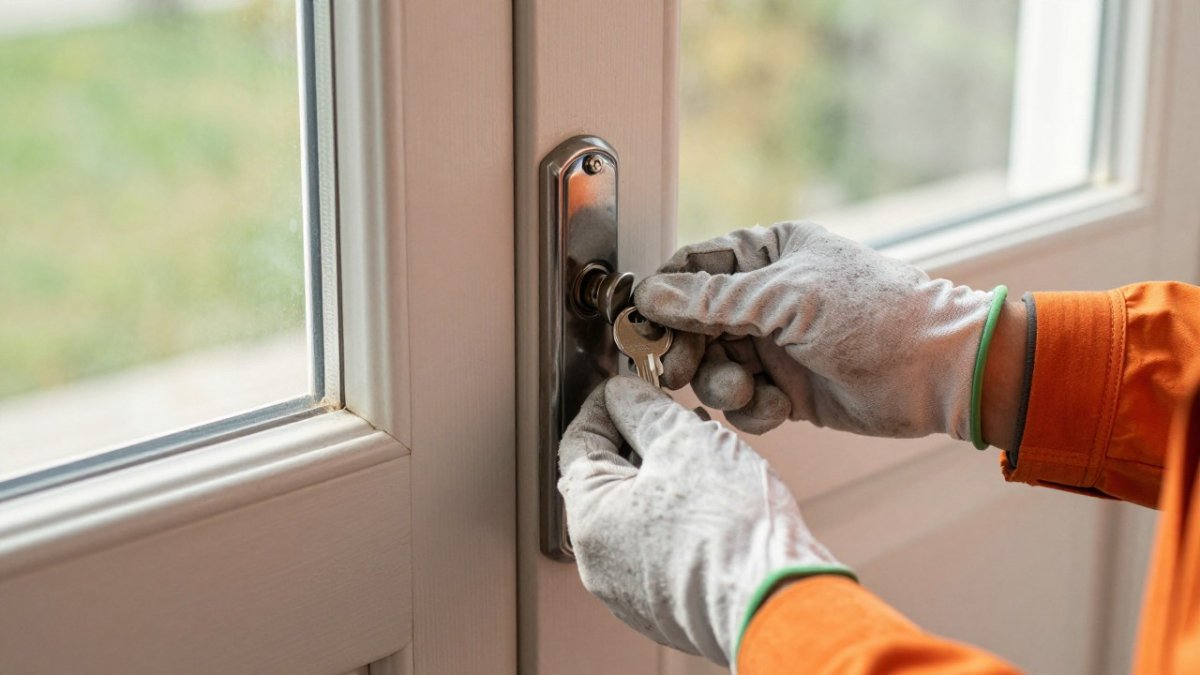
A key that sticks, catches, or takes extra force to turn is one of the most common warning signs. Most people try to jiggle the key or push harder, which can break the key inside the cylinder. Stop before that happens. For step-by-step guidance on safe entry when locked out, see the full guide. Difficulty turning a key usually means dirt, debris, or internal wear inside the lock, and it tends to get worse over time.
Watch out: forcing a stuck key often snaps it off inside the cylinder, which turns a simple fix into a removal job.
When a Lock Won't Latch or the Door Sits Loose
A lock that won't latch, or a door that feels loose in its frame, can signal a deeper problem. Sometimes the issue is the door itself, which has shifted or sagged. Other times the lock mechanism has worn out and no longer engages the strike plate properly. Either way, an unsecured door is a security risk, so it should be addressed promptly.
Test the door by pushing it firmly while the lock is engaged. If it moves or the bolt doesn't seat fully, note where the misalignment is. A door that rubs at the top corner or leaves a gap at the latch side usually needs hinge adjustment, not a new lock.
Signs a Door Lock Needs Replacing Versus a Door Alignment Problem
Many homeowners confuse a faulty lock with a door that has drifted out of alignment. The two problems can look similar, but the fixes are different. A door alignment issue usually shows up as a gap, rubbing, or a bolt that lines up only when the door is pulled or pushed. A failing lock tends to show internal symptoms, such as keys that won't turn smoothly or a cylinder that feels loose.
Try adjusting the hinge screws or tightening the strike plate first. If the lock still fails after the door is square, replace the lock. Doing this in the right order avoids paying for a new lock when the real problem was the frame.
Rekey or Replace Locks: Deciding After Lost Keys or a Break-In
After a lost key or an attempted break-in, you have two main options: rekey the existing lock or replace it entirely. Rekeying changes the internal pins so the old key stops working, and the existing hardware stays in place. You can compare residential rekeying services in Omaha before deciding. It is often less expensive than a full replacement when the lock itself is in good condition.
Replacement makes more sense if the lock is damaged, worn, or outdated. Blackshirt Lock & Key offers both rekeying and installation of residential and commercial-grade locks, and a technician can assess which option fits your situation during a mobile visit.
Change Locks After Moving Into a New Home
Moving into a new home is one of the best times to change the locks, and recognizing the signs you need to change your house locks before then helps you plan the work. A residential locksmith in Omaha can handle lock changes and rekeys for a home after you move in. You cannot know who still has keys from previous owners, tenants, contractors, or family members. Even if the seller says all keys were returned, a lock change removes that uncertainty.
Change the locks on exterior doors first, then garage and side entries. Do this before you move in your belongings if possible.
Cost to Change Locks on a House and What Affects It
Pricing for a lock change depends on the number of locks, whether you need rekeying or full replacement, and the lock grade. For current pricing and a quote for your specific home, visit the Blackshirt Lock & Key pricing page on the company website. A detailed residential lock installation cost guide also breaks down what drives the price.
Booking Lock Service in Council Bluffs
If you are in Council Bluffs and notice any of these signs, a fully mobile locksmith can come to you rather than requiring a trip to a shop. Blackshirt Lock & Key provides on-site key cutting, programming, rekeying, lockout help, and lock installation for homes, vehicles, and businesses in the area. The company is fully insured.
Call now to describe the problem and arrange a visit.
Blackshirt Lock & Key helps Council Bluffs homeowners and businesses fix lock problems before they become security problems. Worn hardware, a sticking key, or a door that won't latch all deserve prompt attention. Call now to schedule mobile service with a fully insured team.
Frequently Asked Questions
How much does it typically cost to change the locks on a house?
Pricing depends on how many locks are involved, whether the work is a rekey or a full replacement, and the lock grade. For current pricing, visit the Blackshirt Lock & Key pricing page on the company website or request a quote before the job starts. Ask for the total in writing so you know whether it includes parts, trip charges, and key copies.
Is it cheaper to rekey or replace locks?
Rekeying is usually the less expensive option because the existing lock body stays in place and only the internal pins are changed to match a new key. Replacement costs more because you pay for new hardware and installation, but it makes sense when the lock is worn, damaged, or of a grade you no longer want.
Should you change your locks if you lose a key?
If a lost key could be found by someone who knows your address, rekeying or replacing the lock is the safer choice. Rekeying makes the lost key useless without replacing the lock body. If you are unsure who has copies of your keys, treat the situation as a security concern and have the locks serviced soon rather than waiting for a problem.
Can a locksmith tell if a lock needs to be replaced?
Yes. A locksmith checks whether the cylinder turns smoothly, whether the bolt throws fully, whether the strike plate lines up, and whether there is visible wear, rust, or damage. Many apparent lock failures turn out to be door alignment or latch problems rather than a bad lock, so a proper inspection before replacement can save money.