 how-to
Locked Out at Night: Step-by-Step Guide to Safe Entry
Table of Contents
- Assess Your Safety First When Locked Out at Night
- Check for Accessible Entry Points
- Check for Spare Keys You May Have Hidden
- Contact Your Landlord or Property Manager
- Calling an Emergency Residential Locksmith Services Provider
- Understanding How Much Does a 24/7 Locksmith Cost
- Smart Lock Troubleshooting When Locked Out
- Prevent Future Lockouts: Preparation Steps
- Frequently Asked Questions
Last Updated: August 31, 2026
Assess Your Safety First When Locked Out at Night
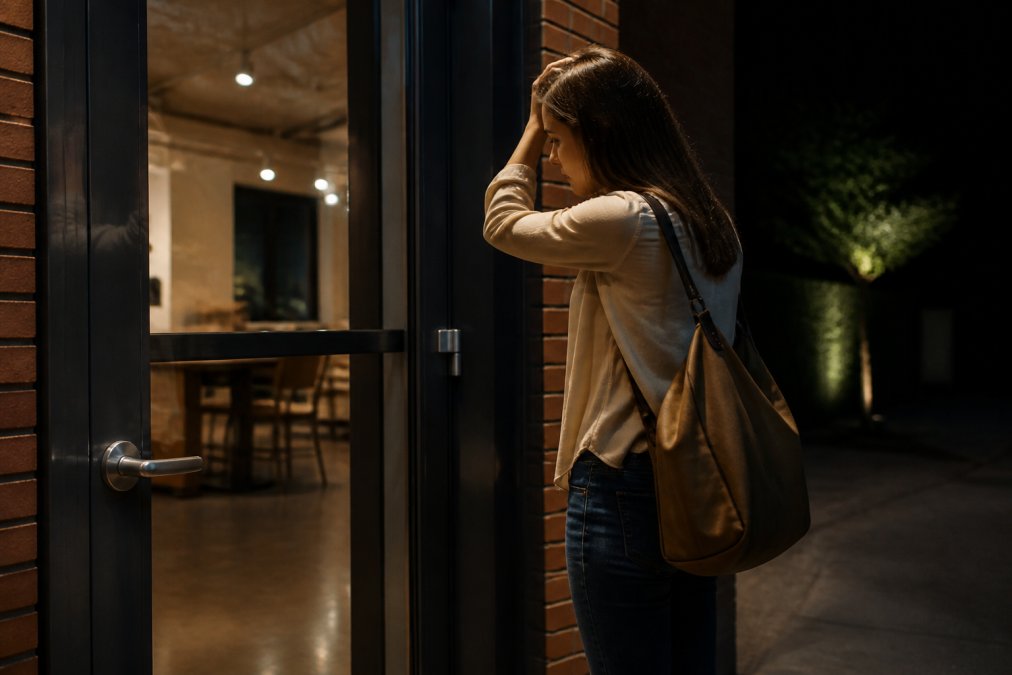
The moment you realize you're locked out at night, your priority shifts from frustration to safety. Before attempting any entry method or contacting help, evaluate your immediate surroundings and emotional state. A calm, methodical approach prevents panic-driven decisions that could put you at risk or damage your property.
Move to a well-lit area, a nearby streetlight, neighbor's porch, or your car in a visible spot. Darkness and isolation compound stress. Stay aware of your surroundings; if you notice unfamiliar vehicles, lingering people, or anything that feels off, trust that instinct. If you feel unsafe, contact local law enforcement first to confirm the area is secure before proceeding with lockout solutions.
Take a moment to assess your physical and mental state. If you're exhausted, panicked, or emotionally overwhelmed, you're more likely to make poor decisions. Breathe and sit down if you can. The lockout will still be there in five minutes, and you'll handle it better when grounded.
Check for Accessible Entry Points
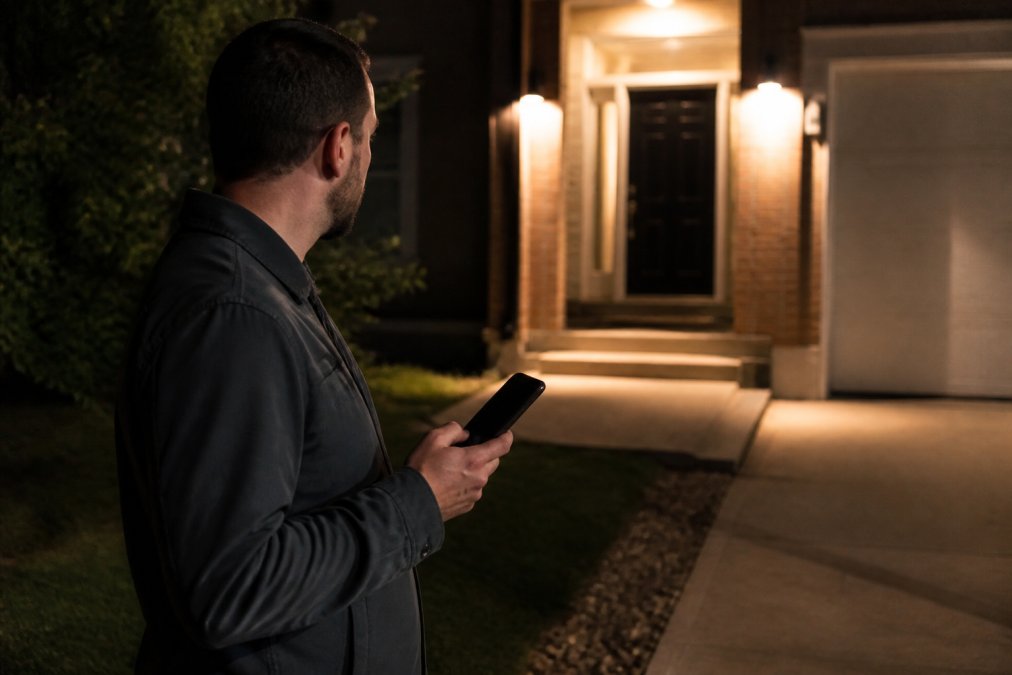
Before calling for professional help, do a quick walk around your property to see if you've left another way in. This isn't about forcing entry or causing damage, it's about identifying legitimate opportunities you may have overlooked.
Look for unlocked windows or back doors. Many people crack windows in warmer months or leave a back door slightly ajar for ventilation. Gently test each accessible window and door. If you find one that's unlocked and it's ground-floor, you can safely climb through. Do not attempt upper-floor windows; the risk far outweighs the benefit.
Avoid damaging your own property at all costs. Do not attempt to pick your lock, pry open windows, or force doors. These actions cause hundreds of dollars in damage and may trigger your security system. Additionally, homeowner's insurance typically won't cover self-inflicted damage, it's considered maintenance or negligence, not a covered loss (iii.org).
If all accessible entry points are secure, stop here. Forcing entry isn't worth the damage and risk.
Check for Spare Keys You May Have Hidden
Think back to whether you've hidden a spare key anywhere outside your home. Many people keep a spare under a rock, in a fake garden ornament, in a planter, or with a trusted neighbor or family member.
Walk around your property and check any hiding spots you remember. Look under doormats, in plant containers, behind loose siding, or in a lockbox attached to a fence. If you've left a spare with someone nearby, contact them now, even if it's late, a trusted contact will likely help in an emergency.
Be realistic about this search. If you haven't hidden a spare key or given one to someone you can reach, don't waste an hour searching. If you find one quickly, great. If not, move forward with other solutions.
Contact Your Landlord or Property Manager
If you rent your home, your landlord or property manager may have a spare key on file and can provide emergency access.
Call your landlord or property manager immediately, even if it's late. Most lease agreements require landlords to provide emergency access, and a lockout qualifies (nolo.com). Leave a clear voicemail explaining your situation and ask for emergency access. Many property management companies have emergency numbers specifically for situations like this.
If they authorize a locksmith, ask for the locksmith's name and contact information so you know who to expect. This verification step prevents scams and ensures you're working with someone your landlord trusts.
Be prepared for your landlord to charge a fee if the lockout is your fault. This is standard practice and typically outlined in your lease. However, if your lock failed mechanically, your landlord should cover the cost.
Calling an Emergency Residential Locksmith Services Provider
When you can't access spare keys and your landlord isn't available, an emergency residential locksmith is your solution.
How to find a reliable local locksmith
Search for locksmiths in your area offering 24/7 emergency services. Look for businesses established for several years with consistent positive reviews. Read recent reviews carefully for mentions of response time, professionalism, and whether prices matched phone quotes.
Ask for referrals from friends, family, or neighbors who've used a locksmith before. Personal recommendations carry more weight than online reviews alone.
When you call, ask specific questions: What's your estimated response time? Do you charge a service call fee? What's the typical cost for a residential lockout? A reputable locksmith will give honest, straightforward answers without hesitation.
Verify locksmith credentials and avoid scams
Before a locksmith arrives, verify they're legitimate. Ask for their business license number and confirm it with your state or local licensing board. Many states require locksmiths to be licensed, bonded, and insured.
When the locksmith arrives, check their ID and vehicle for business branding. A professional will have a marked vehicle, proper identification, and insurance information readily available.
Locksmith scams typically involve quoting a low price over the phone, then dramatically increasing it once they arrive. Avoid this by asking for a written quote before work begins. A legitimate locksmith will provide one.
What to expect during the service call
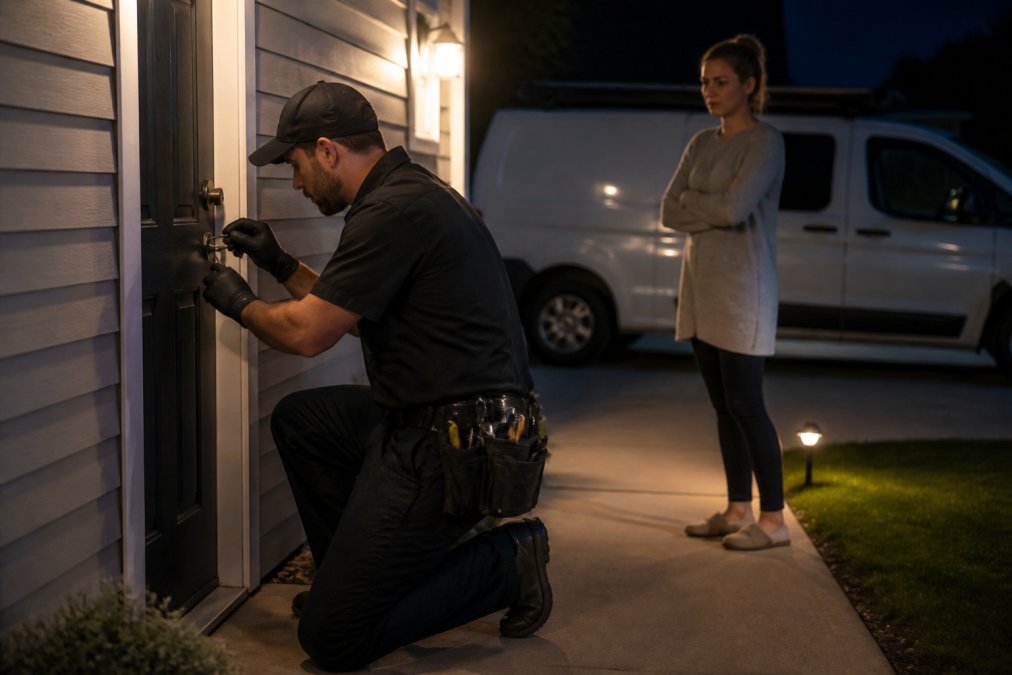
When the locksmith arrives, they'll assess your lock and door to determine the best entry method. For most residential lockouts, they'll pick or manipulate the lock open without damaging it, typically taking 10-20 minutes (aloa.org).
Stay nearby but give the locksmith space to work. Once they've opened your door, they may offer to re-key your lock or upgrade security. Listen to recommendations, but don't feel pressured to buy additional services that night.
Before they leave, ask for an itemized receipt showing the service call fee, lockout fee, any additional charges, and the total. Keep this receipt for your records and for insurance purposes.
Understanding How Much Does a 24/7 Locksmith Cost
One of the biggest concerns about calling an emergency locksmith is the cost. Pricing varies based on several factors.
Service fees and after-hours charges
Most locksmiths charge a service call fee depending on the time of day and your location. This covers travel time and the cost of maintaining 24/7 operation. The actual lockout fee varies based on lock type and difficulty. A standard residential deadbolt is usually straightforward; a high-security or damaged lock may cost more.
After-hours charges are standard. If you're locked out between 10 PM and 6 AM, or on weekends and holidays, expect to pay a premium. This is how emergency service providers sustain 24/7 availability.
Check if insurance covers locksmith services
Some homeowner's insurance policies cover emergency locksmith services, though coverage varies widely. Check your policy or contact your insurance agent. Many policies only cover lockouts caused by mechanical failure or damage, not lost or forgotten keys.
Even if your insurance doesn't cover lockouts, ask your locksmith if they work with insurance companies. Some can file paperwork on your behalf to simplify the claims process.
Smart Lock Troubleshooting When Locked Out
If you have a smart lock installed on your front door, you have options that traditional locks don't offer.
First, check if you can unlock your door using your phone. Most smart lock apps allow remote unlock if you have an internet connection. If your phone has battery and signal, this is the fastest solution.
If remote unlock isn't working, try using a backup code if you've set one up. Many smart locks allow multiple access codes for family members or emergencies.
Check the lock's battery level. Smart locks run on batteries, and if the battery is critically low, the lock may not respond. If you suspect a dead battery, use a backup method, spare key, your landlord, or a locksmith.
If none of these work, call a locksmith. They can open a smart lock just like any other lock.
Prevent Future Lockouts: Preparation Steps
Now that you've dealt with tonight's lockout, take steps to prevent it from happening again.
Hide a spare key in a secure location outside your home. Use a lockbox attached to a fence or deck, bury it in a planter, or hide it under a decorative rock. Avoid obvious spots like under your doormat or above your door frame.
Give a spare key to a trusted neighbor, family member, or friend who lives nearby. Make sure they know they have it and how to reach you in an emergency.
Consider installing a keypad lock or smart lock on your front door. These allow you to unlock using a code or your phone, eliminating the need for a physical key.
Create a list of emergency contacts and keep it accessible, your phone, wallet, or posted inside your home. Include your landlord's number, your locksmith's number, and trusted contacts who have spare keys.
Test your backup access methods occasionally. Find hidden spare keys once a year to ensure they're still there. Check in with people who have spares. Test your smart lock's remote unlock feature regularly.
Getting locked out at night is stressful, but you now have a clear path forward. Start by prioritizing your safety, check for accessible entry points and spare keys, contact your landlord if you rent, and call a professional locksmith if needed. When you need emergency residential locksmith services, Blackshirt Lock & Key offers fast response times with fully insured technicians who provide straightforward pricing with no hidden fees. Our mobile service comes directly to you, eliminating wait times and ensuring you get back inside quickly and safely. Call now for emergency lockout assistance in your area.
Frequently Asked Questions
Q: Can police help if I'm locked out of my house at night?
A: Police typically won't assist with lockouts unless there's a genuine emergency or safety concern. They may provide a wellness check if you're in distress, but they cannot force entry to retrieve your keys or help you access your home. Your best option is to contact an emergency residential locksmith services provider who specializes in after-hours residential access and can arrive quickly without involving law enforcement.
Q: How much does a 24/7 locksmith cost for a nighttime lockout?
A: After-hours locksmith fees vary based on your location, the lock type, and the complexity of entry. Most providers charge a service call fee plus labor costs. Emergency calls at night typically cost more than daytime services due to after-hours rates. Contact your local locksmith directly for a quote, or visit Blackshirt Lock & Key's pricing page for current rates and transparent fee information without hidden charges.
Q: What's the safest way to get back into my house after dark?
A: Stay in a well-lit area and avoid forcing entry yourself, which can damage your lock mechanism and compromise your home security. Check for unlocked windows or back doors first, but do not climb or break anything. Call a professional locksmith who can verify your identity and use proper tools to open your deadbolt safely. This protects both your property and your safety during a nighttime lockout situation.
Q: How do I find a reliable local locksmith I can trust at night?
A: Look for a locksmith with proper licensing, insurance, and positive reviews from your area. Ask for identification and verify their credentials before letting them work on your lock. A reliable provider will offer straightforward pricing with no hidden fees and can explain their service call charges upfront. Check if they're fully insured for residential work and ask about their typical response time for emergency lockouts in your region.