 listicle
Best Residential Rekeying Services in Omaha (2026)
Table of Contents
- What to Expect from Residential Rekeying Services
- Cost to Rekey Locks: What Affects Your Price
- Emergency Residential Locksmith Services: What to Look For
- How to Choose a Reliable Locksmith: 6 Things That Matter
- Post-Move-In Security Checklist for Homeowners
- Full-Service Residential Rekeying Services from Blackshirt Lock & Key
- Frequently Asked Questions
Last Updated: August 27, 2026
Residential rekeying services are one of the most practical and affordable ways to secure your home without replacing every lock on the property. At Blackshirt Lock & Key, we handle rekeying calls daily across the Omaha and Council Bluffs area. This guide cuts through the noise. Below, we cover exactly how professional rekeying works, what it costs, how to spot a trustworthy locksmith, and what to do the moment you move into a new home.
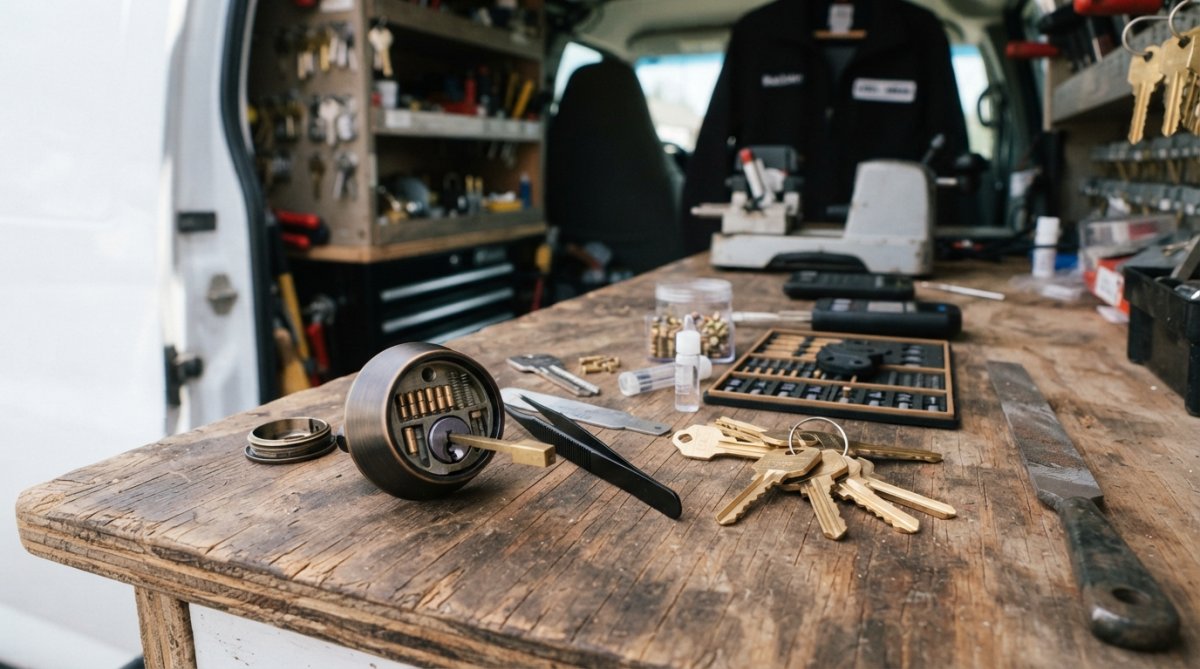
Rekeying is the process of reconfiguring a lock's internal pin tumblers so that old keys no longer work. The lock hardware stays in place; only the cylinder's internal configuration changes. For most homeowners, this is the right call after a move, a breakup, a lost key, or any situation where you've lost track of who holds a copy.
What to Expect from Residential Rekeying Services
Professional residential rekeying services involve a licensed technician adjusting the internal pin configuration of your existing locks so that only new keys operate them. The process is fast, typically completed per lock in under 15 minutes, and leaves your existing door hardware intact.
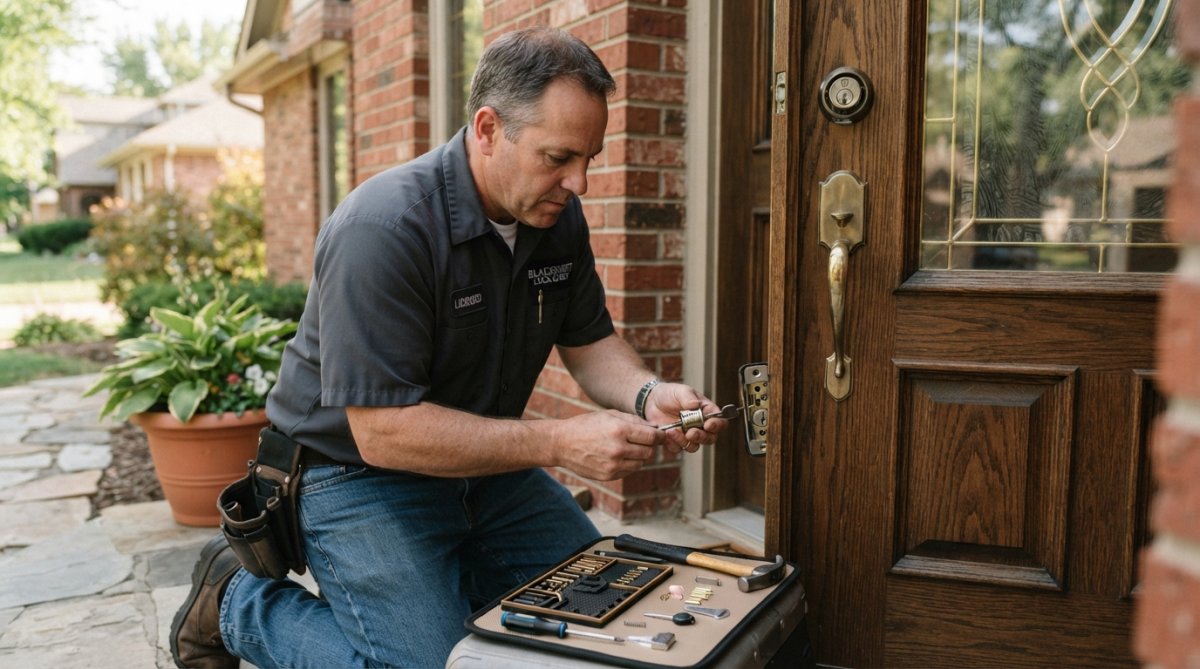
A mobile locksmith arrives at your address with a rekeying kit specific to your lock brand. They disassemble the cylinder, swap out the driver pins to match a new key cut, reassemble the lock, and test it before leaving. You walk away with new keys and the confidence that old copies are useless.
What most homeowners don't realize: rekeying works on virtually any standard pin-tumbler lock, including most deadbolts and knob locks. High-security locks with restricted keyways may require cylinder replacement instead, but a qualified technician will tell you that upfront.
Lock Rekeying vs. Lock Replacement: Which One Do You Need?
Lock rekeying reconfigures the existing cylinder to match a new key. Lock replacement removes the entire lock and installs new hardware. Rekeying is the right choice when your current hardware is in good condition and you simply need to void old keys. Lock replacement makes sense when the hardware is damaged, worn, outdated, or you want to upgrade to a deadbolt, smart lock, or high-security cylinder.
| Situation | Recommended Action |
|---|---|
| Just moved into a new home | Rekey all entry points |
| Lost a key, hardware is fine | Rekey |
| Lock is damaged or old | Replace lock |
| Want keyless entry or smart lock | Replace lock |
| Evicted tenant, key returned | Rekey |
| Broken key inside the cylinder | Extraction, then assess |
The cost difference is meaningful. Rekeying is consistently less expensive than full lock replacement because you're paying for labor and a new key, not new hardware. If the lock is solid, rekeying is almost always the smarter financial decision.
Step-by-Step: How a Professional Rekeying Works
Understanding the process helps you verify a technician is doing the job correctly.
- Technician arrives and assesses the lock, identifies the lock brand, cylinder type, and current key profile
- Cylinder is removed from the door hardware using a follower tool
- Old pins are extracted from the cylinder plug
- New driver pins are inserted matched to the new key's cut pattern
- Cylinder is reassembled and reinstalled in the door hardware
- New key is cut on-site using a mobile key cutting machine
- Function test is performed, both locking and unlocking verified before the technician leaves
The entire process per lock typically takes 10 to 20 minutes. A competent technician brings a complete rekeying kit with pins for major lock brands including Kwikset, Schlage, and Baldwin.
Cost to Rekey Locks: What Affects Your Price
The cost to rekey locks varies based on several factors: the number of locks, the lock brand and cylinder type, your location, and whether the service is scheduled or emergency. Visit the Blackshirt Lock & Key pricing page for current rates, since prices depend on the specifics of your job.
According to the Angi cost guide for locksmith services, homeowners across the country pay varying amounts depending on lock complexity and local market rates. The factors that most consistently affect your final price include:
- Number of locks: More locks generally means a lower per-lock rate
- Lock brand and complexity: High-security or restricted keyway locks take longer
- Emergency vs. scheduled service: After-hours calls carry a premium across the industry
- Key duplication: Additional key copies add a small per-key cost
- Lock condition: Damaged cylinders may require replacement rather than rekeying
DIY vs. Professional Rekeying: Is It Worth Doing Yourself?
Rekeying kits are available at hardware stores for common lock brands like Kwikset. For a single lock on a standard residential knob, a DIY kit is a viable option if you're comfortable following detailed instructions and don't mind spending an hour on the task.
The honest assessment: DIY rekeying makes sense for one lock when you have time and patience. It stops making sense quickly. Rekeying multiple locks, dealing with Schlage cylinders, working with older or unfamiliar hardware, or doing this under time pressure all tip the math toward a professional. A technician with a full kit and experience can rekey six locks in the time it takes most homeowners to figure out the first one.
The real risk with DIY isn't the cost of the kit. It's reassembling the cylinder incorrectly so the lock appears to work but fails under real use. A lock that seems functional but has a misaligned pin stack can be defeated with minimal force. For entry point security, that's not an acceptable outcome.
Emergency Residential Locksmith Services: What to Look For
Emergency residential locksmith services are defined by one thing: response time. A lockout at midnight, a broken key in a front door lock, or a damaged cylinder after an attempted break-in all require a technician who can arrive quickly, work efficiently, and solve the problem on-site without a return trip.
The ALOA Security Professionals Association guidelines on locksmith licensing recommend verifying that any emergency locksmith is licensed and insured before allowing them to work on your property. This matters especially for emergency calls, where the urgency can push homeowners to skip basic verification.
What separates a reliable emergency locksmith from an unreliable one:
- Mobile service with on-site capability: The technician carries everything needed, no shop visit required
- Clear pricing before work begins: A reputable provider gives you a price before touching the lock
- Verifiable insurance: Ask directly; a legitimate operation is insured and will say so
- Broken key extraction capability: Not all locksmiths carry extraction tools; confirm before they arrive
- 24/7 availability: Emergencies don't follow business hours; your locksmith shouldn't either
A common mistake is calling the first result that appears in a search without checking whether it's a local operation or a national call center that dispatches subcontractors. Response times and pricing accountability differ significantly between the two.
How to Choose a Reliable Locksmith: 6 Things That Matter
Choosing a reliable locksmith comes down to six criteria that separate professional operations from unreliable ones.
1. Licensed and insured status. Verify this before the technician arrives. In Nebraska, locksmith licensing requirements are governed at the state level. The Nebraska Secretary of State business licensing database lets you check whether a business is legitimately registered.
2. Local physical presence. A locksmith with a real local address is accountable in a way that a call center isn't. Ask where they're based.
3. Upfront pricing. The quote you get over the phone should match what's on the invoice. Hidden fees after the job is done are a red flag that appears consistently in consumer complaints about locksmith services.
4. Verifiable reviews. Look for reviews on platforms you can verify, not just the company's own website. Pay attention to comments about response time and whether the final price matched the quote.
5. On-site key cutting capability. A fully mobile locksmith should be able to cut keys at your location. If they need to take your lock or your key back to a shop, that's a limitation worth knowing upfront.
6. Clear communication. A reliable technician tells you what they're doing, why, and what it will cost before they start. Vague answers to direct questions about pricing or process are a warning sign.
Post-Move-In Security Checklist for Homeowners
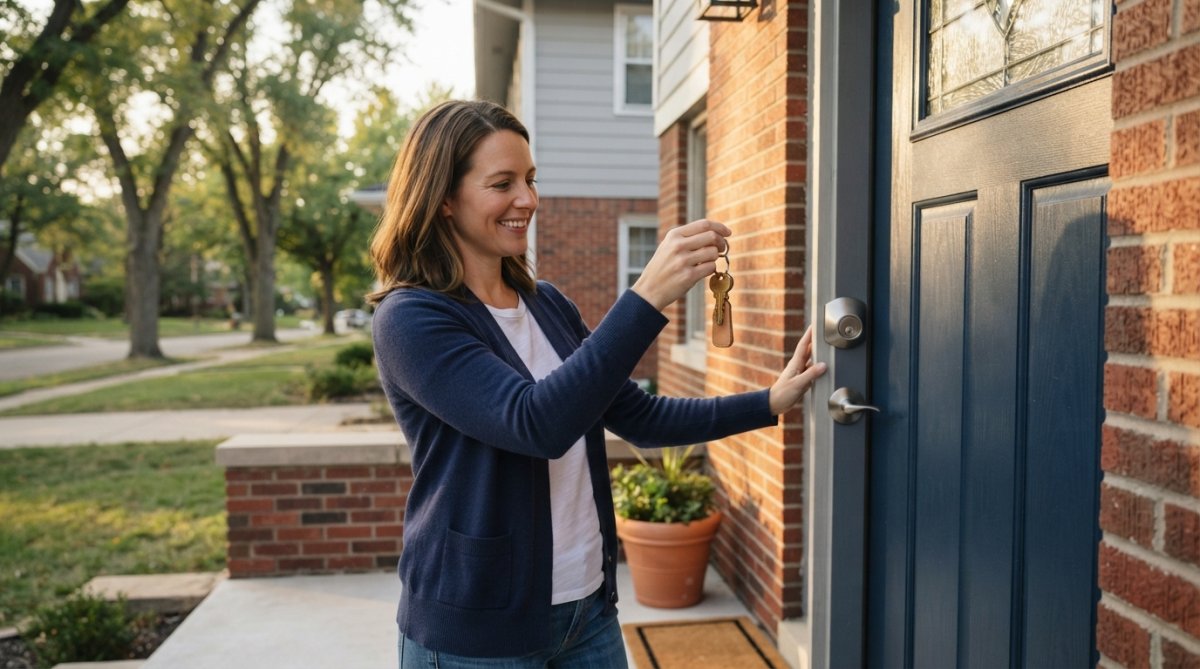
Moving into a new home means inheriting every key copy the previous owner, their family, their contractors, and their real estate agent ever made. Rekeying is the foundation of post-move-in security, but it's not the only step.
Work through this checklist within the first week of occupancy:
- Rekey all exterior door locks, including side doors and garage entry doors
- Rekey or replace any padlocks on gates or outbuildings
- Check all deadbolt strikes are secured with screws at least 3 inches long for kick resistance
- Inspect all window locks for function; replace any that are broken or missing
- Test all sliding door security bars or secondary locks
- Assess whether existing deadbolts meet ANSI Grade 1 or Grade 2 standards for residential security
- Evaluate whether any entry point would benefit from a smart lock or keyless entry system
- Locate and change the code on any garage door keypad
- Confirm exterior lighting covers all entry points
The ANSI/BHMA grading standards for residential locks provide the benchmark for evaluating lock quality. Grade 1 is the highest residential standard and is recommended for all exterior deadbolts.
Most homeowners complete the rekeying portion of this checklist and stop there. The full checklist takes less than an hour and addresses the entry point vulnerabilities that a rekey alone won't fix.
Full-Service Residential Rekeying Services from Blackshirt Lock & Key
Blackshirt Lock & Key delivers professional, fully mobile locksmith services directly to your Omaha and Council Bluffs location, eliminating shop-based wait times for fast, reliable solutions. We provide convenient on-site key cutting, programming, and installation, alongside quick re-keying and emergency lockout services for homes, vehicles, and businesses. Our fully insured team offers straightforward, honest pricing with no hidden fees, ensuring affordable and professional security solutions right where you need them.
Here's what that means in practice. There's no shop visit, no waiting for a technician to return from another location, and no surprise charges after the work is done. The technician arrives at your address with a complete mobile setup: rekeying kits for major lock brands, on-site key cutting equipment, and the tools to handle broken key extraction if needed.
For property managers handling multiple rental units, Blackshirt Lock & Key handles bulk rekeying jobs with the same mobile efficiency. Coordinating lock changes across 10 or 15 units doesn't require scheduling multiple shop visits or managing multiple vendors.
The fully insured status matters more than most homeowners consider. It means that if anything goes wrong during the service, you're covered. That's not a universal given in this industry, and it's worth confirming with any provider before work begins.
What Blackshirt Lock & Key handles:
- Residential lock rekeying for all major lock brands
- Emergency lockout assistance with fast response
- Broken key extraction
- Deadbolt installation and door hardware upgrades
- Smart lock and keyless entry installation
- On-site key cutting and key duplication
- Mobile service with no shop-based wait times
For current pricing, visit the Blackshirt Lock & Key website directly. Rates depend on the number of locks, lock type, and whether the service is scheduled or emergency.
| Service | Best For | Key Advantage |
|---|---|---|
| Rekeying | Post-move, lost key, tenant change | Fast, affordable, hardware stays |
| Lock replacement | Damaged or outdated hardware | Full security upgrade |
| Emergency lockout | Locked out, broken key | Fast mobile response |
| Smart lock installation | Keyless entry upgrade | Modern access control |
| Key duplication | Spare keys, property management | On-site, no shop required |
Call now to schedule a service or get a quote before committing.
Frequently Asked Questions
Q: What is the difference between rekeying and replacing a lock?
A: Rekeying changes the internal pins inside your existing lock cylinder so old keys no longer work. The hardware stays in place. Lock replacement swaps out the entire lock, hardware and all. Rekeying is faster and typically costs less, making it the preferred option after a move or lost key. Replacement makes more sense when the lock is damaged, outdated, or you want to upgrade to a high-security or smart lock.
Q: How long does it take a locksmith to rekey a house?
A: A professional technician can rekey a standard residential deadbolt in about 15 to 30 minutes per lock. A full home with multiple entry points typically takes one to two hours depending on the number of locks and whether a master key system is being set up. Mobile locksmiths who come directly to your home complete the job on-site with no shop drop-off required, so there is no added wait time.
Q: Is it better to rekey or replace locks when moving into a new home?
A: Rekeying is almost always the right call after moving in. You have no way of knowing how many copies of the old keys exist or who has them. Rekeying renders every previous key useless at a fraction of the cost of full lock replacement. If the existing locks are worn, low-grade, or lack deadbolt security, replacing them while rekeying is a smart upgrade. A security assessment during the visit can help identify which locks are worth keeping.
Q: What should I ask a locksmith before hiring them for residential services?
A: Ask whether they are licensed and insured, whether they provide a written estimate before starting work, and what their typical response time is for emergency lockouts. Confirm they will rekey on-site rather than taking your locks offsite. Ask if the final price matches the quote or if additional fees apply. A trustworthy locksmith answers these questions directly and does not pressure you to approve work before explaining the cost.
Q: How much does it cost to rekey a lock?
A: The cost to rekey locks varies based on the number of locks, the type of hardware, and whether it is an emergency or scheduled appointment. Factors like high-security cylinder replacement or master key system setup add to the total. For current pricing on residential rekeying services, visit the Blackshirt Lock & Key pricing page or call for a straightforward quote with no hidden fees.
The biggest mistake homeowners make after a move is assuming the locks are fine because they got a key at closing. That key came from someone who had a key, who may have given a copy to someone else. Rekeying closes that gap completely, and it's one of the most cost-effective security decisions you can make. Blackshirt Lock & Key handles residential rekeying services with fully mobile, fully insured technicians who give you a firm price before starting work. Call now to get your home secured.