 blog
7 Best High Security Locks for Rental Properties
Last Updated: November 11, 2026
Quick Summary
The best high security locks for rental properties are Grade 1 or Grade 2 deadbolts with a 1-inch bolt throw, a reinforced strike plate with 3-inch screws, and a restricted keyway that blocks unauthorized key duplication. For long-term rentals, a Grade 1 keyed deadbolt with a restricted keyway is a strong choice, and you rekey it at each turnover.
- Grade 1 is the toughest residential rating, Grade 2 is mid-tier, and Grade 3 is builder-grade hardware.
- Rekeying changes the internal pins so old keys stop working while the hardware stays in place.
- A keypad deadbolt needs no hub, app account, or stable internet to let a tenant in.
- Delete the departing tenant's code and test every lock and backup key before move-in.
- Plan for at least one battery change per year on exterior doors in Iowa.
Table of Contents
- What Makes a Lock High Security for a Rental Property
- Best Door Locks for Rental Property: A Comparison Table
- Best Keyless Entry Door Lock with Deadbolt for Landlords
- Best Smart Lock for Airbnb and Short-Term Rentals
- Rekeying Locks Between Tenants: A Turnover Protocol
- Cost of Locks and Ongoing Management
- Scheduling a Rental Property Lock Upgrade in Council Bluffs
- Frequently Asked Questions
What Makes a Lock High Security for a Rental Property
High security locks for a rental property are deadbolts or keypad locks built to resist forced entry, picking, and unauthorized key duplication while giving the landlord control over who holds access.
Landlords who buy on price alone often replace hardware after the first turnover, while those who buy on grade and key control can keep the same locks for years.
Below, we break down the grades, lock types, and a turnover protocol, plus how to think about lock upgrade costs and how to schedule one locally.
Lock Grades and Forced-Entry Resistance
The fastest way to judge a deadbolt is its ANSI/BHMA grade. Grade 1 is the toughest residential rating, Grade 2 is mid-tier, and Grade 3 is builder-grade hardware that meets only minimum standards. The ANSI/BHMA lock grading standards explain the testing behind each tier, including strike force and cycle requirements.
For a rental, Grade 1 or Grade 2 is the sensible floor.
Attack resistance comes down to a few physical details:
- Bolt throw: a 1-inch deadbolt bolt is standard; shorter throws are easier to defeat.
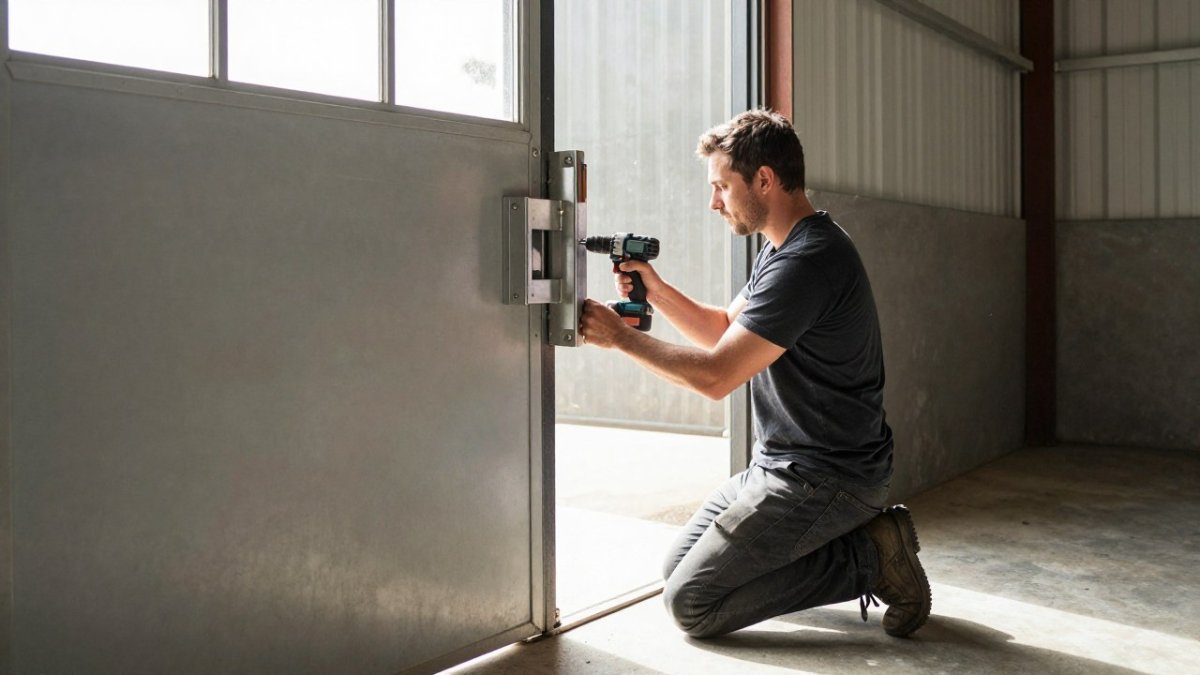
- Strike plate: a reinforced strike with long screws into the door frame resists kick-ins far better than a standard plate.
- Cylinder type: a high security cylinder with restricted keyways blocks unauthorized duplication.
- Door material and frame: a great lock on a hollow-core door or a soft frame still fails under force.
Key Control and Tenant Turnover
Key control is the part most landlords underestimate. If a tenant copies a key at a hardware store, you no longer know how many keys exist.
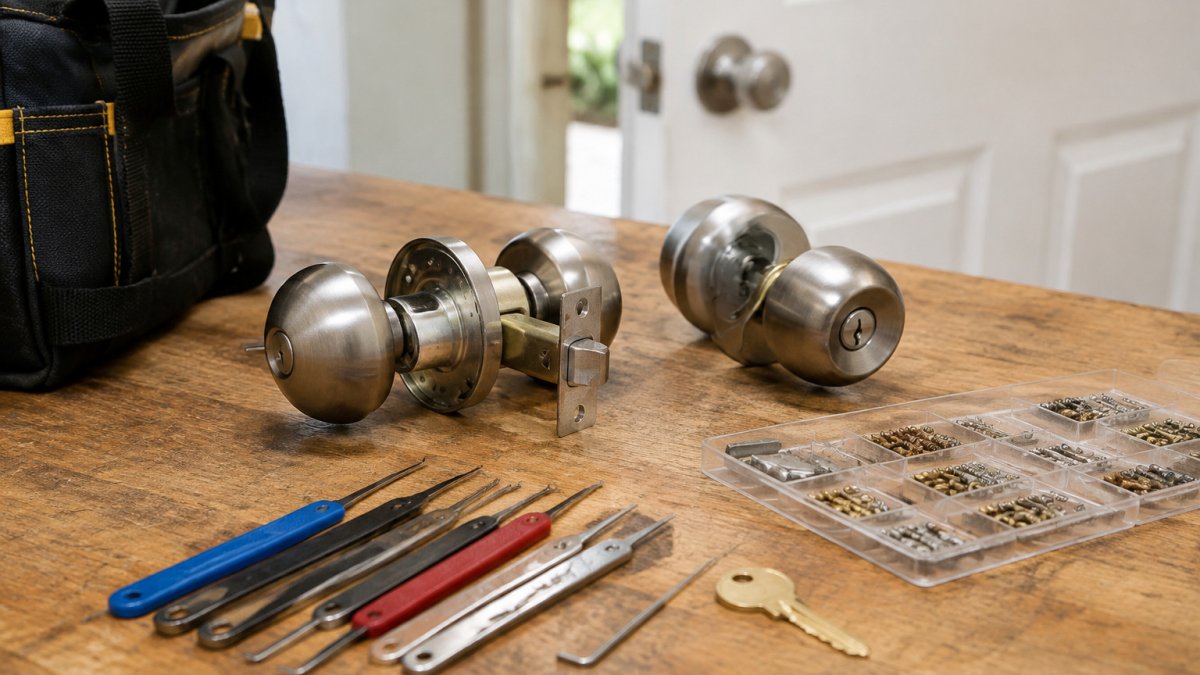
Between tenancies, you can rekey the existing lock or replace it. Rekeying changes the internal pins so old keys stop working while the hardware stays in place, faster and cheaper than replacement, and the standard move at turnover.
For a property manager running multiple units, a master key system keeps things organized: one key opens common areas, and each tenant gets a unique code or key that reaches only their unit.
Best Door Locks for Rental Property: A Comparison Table
The right lock depends on the rental type, the door, and how much access control you want. This table summarizes the main options we recommend, but use the security notes below it to compare hardware on attack resistance, not just features.
| Lock Type | Best For | Key Control | Power or Battery | Turnover Effort | Security Notes |
|---|---|---|---|---|---|
| Grade 1 keyed deadbolt | Long-term rentals | Strong with restricted keyway | None | Rekey each turnover | 1-inch bolt throw, reinforced strike with 3-inch screws; best forced-entry resistance per dollar |
| Keypad deadbolt | Mid-term and long-term rentals | Strong, code-based | Battery | Delete old code | Check ANSI/BHMA grade; many keypad models are Grade 2 or 3, so verify the bolt and strike |
| Smart lock with app | Short-term rentals and Airbnb | Strong, remote changes | Battery or Wi-Fi | Remove user remotely | Convenience features do not equal Grade 1; confirm physical key override and strike reinforcement |
| Single-cylinder deadbolt with reinforced strike | Budget-conscious landlords | Moderate | None | Rekey each turnover | Upgrade the strike plate and frame screws or the lock upgrade is wasted |
| Commercial-grade lever set | Multi-unit and small business | Strong | None | Rekey or replace | Look for Grade 1 cylindrical lock and through-bolt installation |
For many long-term rentals, a Grade 1 keyed deadbolt with a restricted keyway is a strong choice. For short-term rentals, the best smart lock for Airbnb is one with remote code changes and a physical backup key, but confirm the deadbolt meets Grade 1 or Grade 2 before buying on app features alone.
How to Compare Locks on Security, Not Features
Most lock roundups rank keypad and smart locks by app convenience. For a rental, compare hardware first. The ANSI/BHMA lock grading standards rate deadbolts and locksets on cycle testing, strike force, and torque resistance. Grade 1 is the toughest residential rating; Grade 3 is builder-grade. A Grade 1 keyed deadbolt with a reinforced strike often costs less than a mid-tier smart lock and resists forced entry better.
Matching the Lock to the Rental Type
Long-term rentals: prioritize key control and durability. A Grade 1 keyed deadbolt with a restricted keyway and reinforced strike is the standard. Rekey at each turnover and keep a written key log.
Mid-term and furnished rentals: a keypad deadbolt with multiple codes and a physical key backup reduces key handoff friction. Verify the ANSI/BHMA grade and strike plate before you rely on it.
Short-term rentals and Airbnb: remote code changes and scheduled access windows matter, but so does the deadbolt.
Multi-unit properties: standardize on one grade and one keyway across units.
Best Keyless Entry Door Lock with Deadbolt for Landlords
A keypad deadbolt that runs on batteries, stores multiple access codes, and still accepts a physical key as backup is one option for keyless entry on a rental door.
Code management matters. Assign a unique tenant code to each unit, never share codes between tenants, and delete the old code when a tenant moves out.
Watch out: a keypad lock with a worn keypad can reveal which digits get pressed most. Clean the keypad and change codes at turnover to reduce that exposure.
Best Smart Lock for Airbnb and Short-Term Rentals
A smart lock for Airbnb and short-term rentals can be useful when it offers remote code changes, scheduled access windows, and a mobile app that works without visiting the property.
Features that matter for a short-term rental:
- Remote code changes through a mobile app, so you can issue a new access code for each guest.
- Scheduled access windows that activate a code at check-in and expire at checkout.
- Wi-Fi or Bluetooth connectivity with a clear fallback if the connection drops.
- Battery life monitoring with an alert before the lock dies.
- A physical backup key stored securely off-site for lockout prevention.
When considering connectivity and privacy, a Wi-Fi smart lock may log entries, but guest data can pass through the manufacturer's app, so read the privacy terms before connecting a lock to a guest-facing platform.
For exterior doors in this part of Iowa, cold snaps and summer humidity can stress batteries and keypads, so check battery levels before the first hard freeze.
Rekeying Locks Between Tenants: A Turnover Protocol
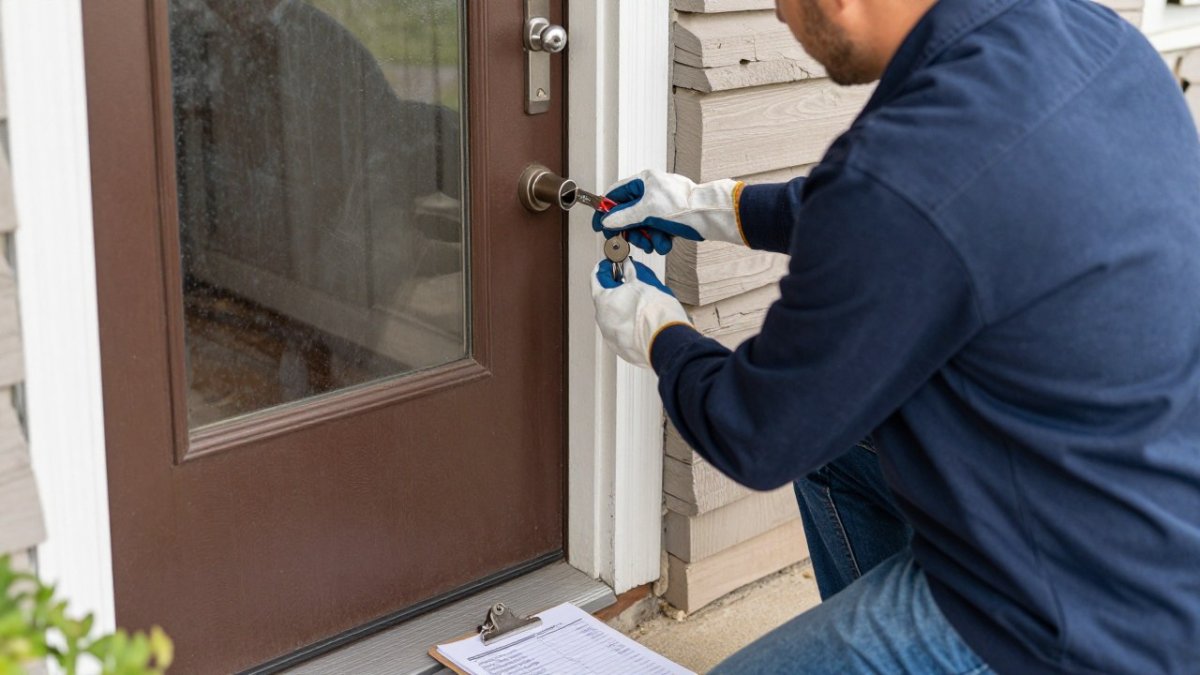
Rekeying between tenants is the single most important habit for rental security, and it takes less time than most landlords expect. Here is a turnover protocol for property managers.
- Schedule the rekey before the move-out inspection. Book it for the day the unit is vacant, not after.
- Collect every key and code. Get all copies back, and delete the departing tenant's code from any keypad or smart lock.
- Rekey or reprogram each exterior lock. Rekey keyed locks; reset codes on keyless entry.
- Issue new keys or a unique tenant code to the incoming tenant only.
- Log the change. Record the date, the lock, and who holds access.
- Test every lock and the backup key before the new tenant moves in.
For a full walkthrough of the rekeying step itself, our guide on how to rekey rental units covers the tools and process in detail.
Cost of Locks and Ongoing Management
Cost is worth planning for, and it helps to separate purchase price from total cost of ownership. A cheap lock that fails at the first turnover costs more than a Grade 1 deadbolt that lasts a decade. A rental property needs a multi-year cost model that includes rekeying, batteries, code management time, and replacement.
Build your cost model around these line items:
- Purchase and installation: the lock hardware plus labor to fit it to the door. Higher-grade keyed deadbolts can cost more upfront than builder-grade hardware, but may last longer and resist forced entry better.
- Rekeying at each turnover: keyed locks require a rekey or cylinder change each time a tenant leaves. Rekeying is usually cheaper than replacement and keeps the same hardware in service.
- Battery replacement: keypad and smart locks need batteries. Cold snaps and summer humidity in Iowa stress batteries, so plan for at least one battery change per year on exterior doors.
- Code management time: keyless systems shift cost from hardware to labor. Someone has to issue, delete, and log codes at every turnover.
- Replacement: hardware wears out, tenants damage locks, and smart locks may become obsolete if the manufacturer stops supporting the app.
Rekey Versus Replace: The Math Landlords Should Run
Rekeying changes the internal pins so old keys stop working while the hardware stays in place. It is faster and cheaper than replacement, and it is the standard move at tenant turnover. Replacement makes sense when the existing lock is Grade 3, damaged, or incompatible with a restricted keyway. A common pattern is to replace builder-grade hardware once, then rekey that Grade 1 or Grade 2 lock at every subsequent turnover.
For current residential lock installation pricing, our residential lock installation cost guide breaks down the 2026 numbers. For multi-unit and commercial-grade hardware, the broader picture of locksmith services for property management covers what a management company should budget for.
Standardize to Control Cost
The cost-effective move is usually to standardize. Pick one lock grade and one keyway across your units, and rekeying becomes a routine line item instead of a scramble. Standardization can also simplify code management by keeping the number of apps, keyways, and rekey procedures down. If you manage units across the Omaha and Council Bluffs area, a turnover schedule tied to your lease calendar keeps rekey and battery costs predictable.
Scheduling a Rental Property Lock Upgrade in Council Bluffs
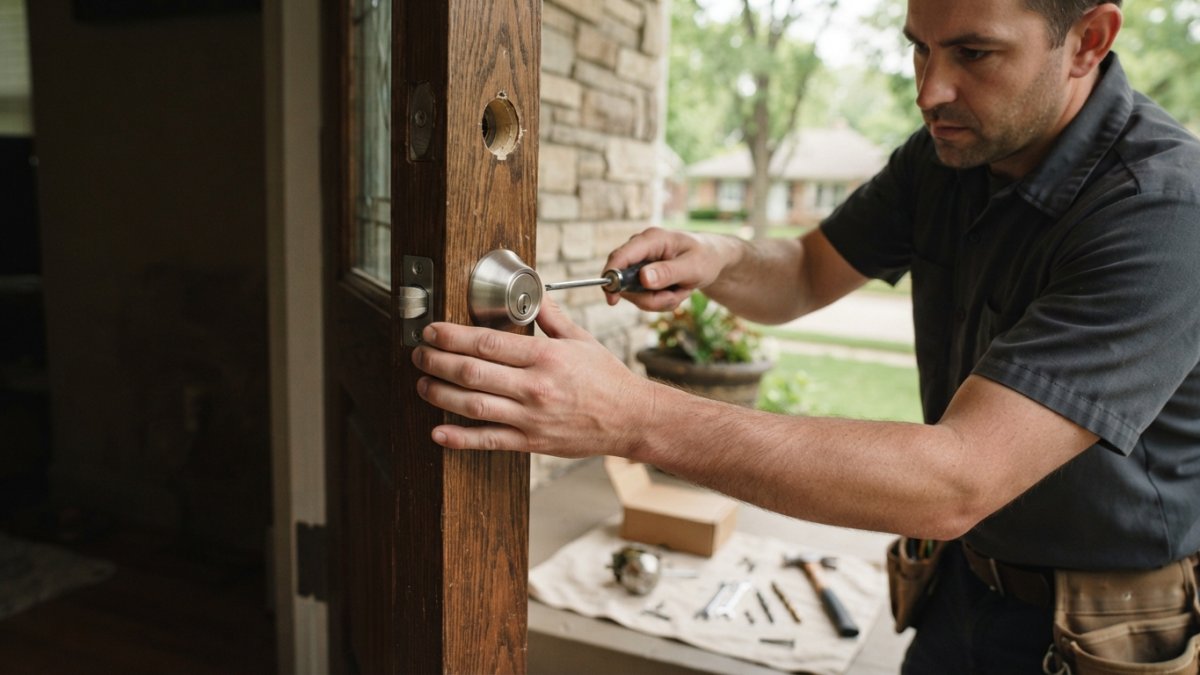
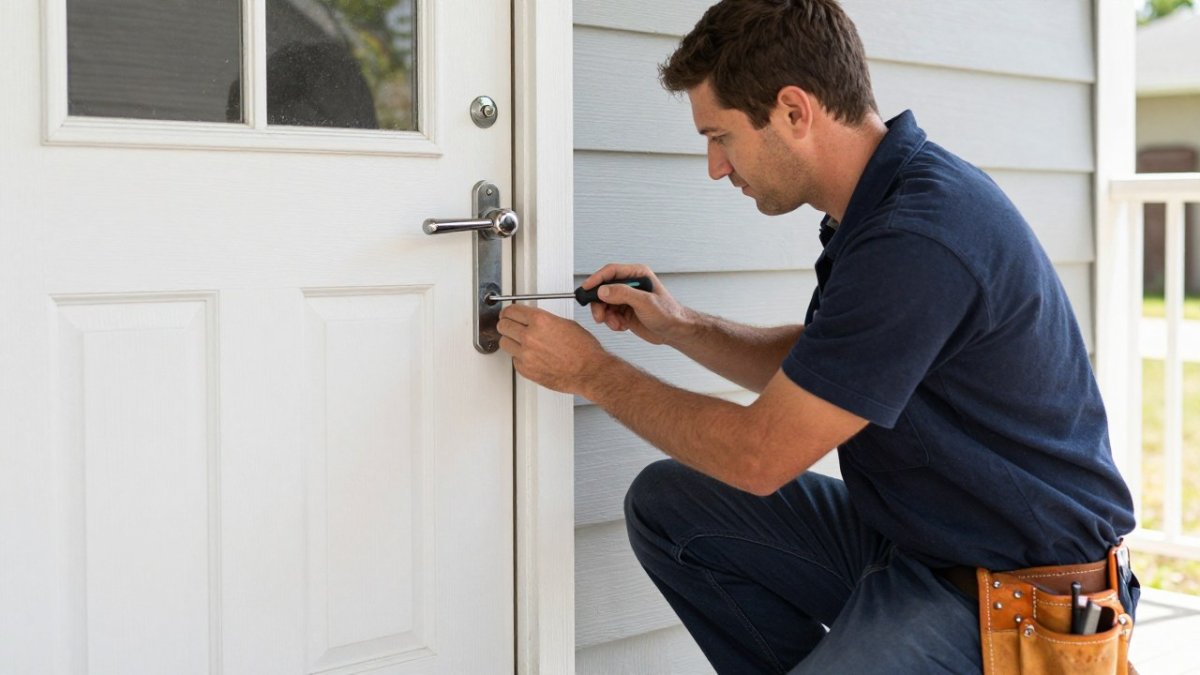
If you are ready to upgrade locks on a rental property in Council Bluffs, you can book a mobile service call. We come to the property and rekey or install on site.
We handle residential rentals through our residential locksmith service in Council Bluffs, and multi-unit and commercial properties through our commercial locksmith service in Council Bluffs. Both cover rekeys, lock changes, deadbolt installation, and tenant turnover work.
Our team is fully insured, and we offer straightforward, honest pricing with no hidden fees.
Lock security on a rental property comes down to grade, key control, and a turnover routine you actually follow.
Frequently Asked Questions
Which type of lock offers the highest security for a rental property?
A single-cylinder deadbolt rated ANSI/BHMA Grade 1 with a solid steel strike plate can offer strong forced-entry resistance for many rental doors. Pair it with a restricted-keyway cylinder so tenants cannot copy keys without your authorization. For short-term rentals, a keypad deadbolt can add unique access codes and remote changes. Avoid spring-latch-only locks on exterior doors; the deadbolt is what resists kicking and prying.
Should landlords rekey locks between tenants?
Yes. Rekeying locks between tenants is the minimum standard for key control. When a tenant moves out, you cannot confirm every copy of the key came back, and a prior tenant or their guests may still hold one. Rekeying changes the internal pins so old keys stop working while you keep the same hardware. Build it into your turnover checklist alongside cleaning and paint touch-ups.
Can you install smart locks on a rental property?
Most standard deadbolt openings accept a smart lock without door modification, but check the door thickness and backset first. For long-term rentals, choose a model with physical key backup and a landlord master code so you retain override access. For short-term rentals, a smart lock with scheduled codes and Wi-Fi or Bluetooth management simplifies check-in. Keep a mechanical key hidden off-site as a backup in case the battery dies.
What features should landlords look for in a high security deadbolt?
Prioritize ANSI/BHMA Grade 1 or Grade 2 certification, a solid steel or reinforced strike plate, and a anti-pick, anti-bump cylinder. A restricted keyway limits unauthorized duplication. For keyless models, look for unique tenant codes, remote code changes, and a low-battery alert. Confirm the lock fits your existing door prep and that a physical key backup exists. Reliable hardware and simple access management are worth prioritizing.