 How-to
Mobile Locksmith for Fleet Vehicles: 2026 Guide
Table of Contents
- Why Mobile Locksmith Service Beats the Dealership for Fleets
- Fleet Vehicle Lockout Services: What to Do When a Driver Is Stranded
- Commercial Fleet Key Replacement: Spares, Duplicates, and Master Key Systems
- Mobile Car Key Fob Programming for Transponder and Smart Keys
- Ignition Cylinder and Door Lock Repair: Fixing the Root Cause
- Fleet Security Risk Assessment and Preventative Lock Maintenance
- How Much Does Mobile Locksmith Service Cost for Fleets?
- Frequently Asked Questions
Last Updated: September 10, 2026
Why Mobile Locksmith Service Beats the Dealership for Fleets
A mobile locksmith for fleet vehicles eliminates fleet operations' biggest hidden cost: downtime. Instead of sending a driver across town to a dealership, a mobile technician comes to your yard, depot, or stranded driver's location. Blackshirt Lock & Key brings mobile key cutting, programming, and lockout response to Omaha and Council Bluffs fleet operators.
Downtime Math: What One Idle Truck Costs Per Day
A commercial vehicle that can't move stops billing, delays the next job, and pushes every downstream stop on the route. Many fleet operators find one idle work truck costs more in lost revenue and rescheduled labor than the locksmith service itself.
The contrast with a dealership visit is stark:
- Dealership: driver leaves the route, waits for intake, waits for service, drives back. Half a day or more, per vehicle.
- Mobile locksmith: technician arrives at your location, cuts and programs on site, vehicle returns to service the same day.
What a Fully Mobile Locksmith Brings to Your Yard
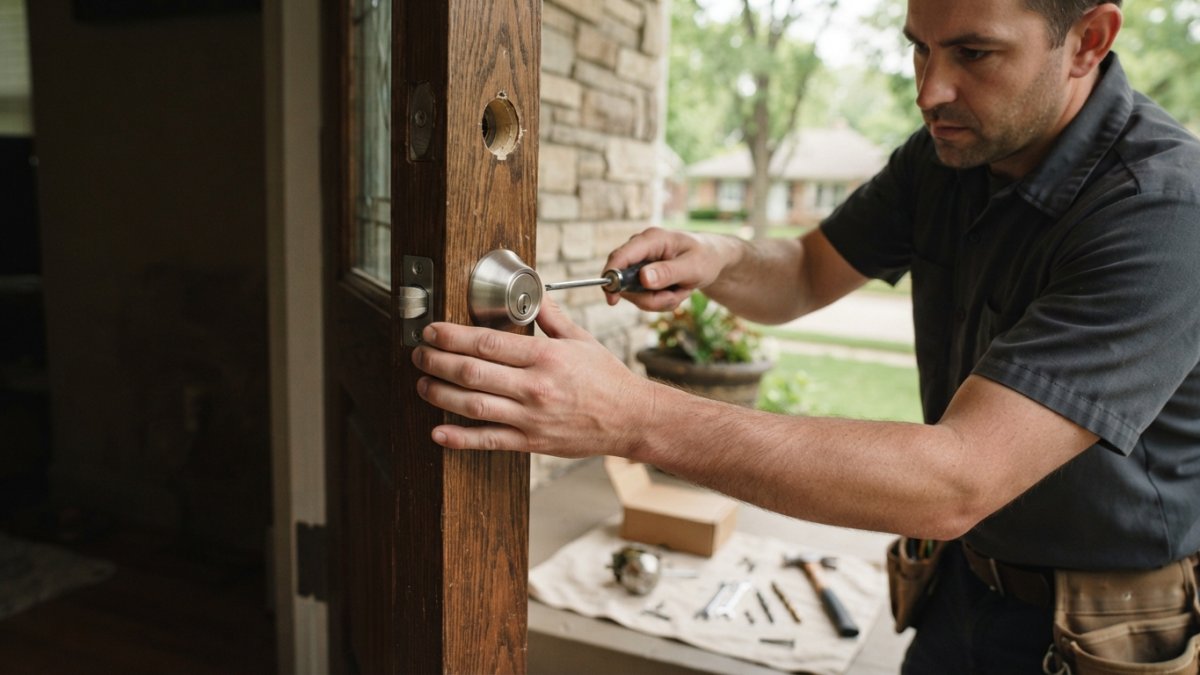
A fully mobile locksmith brings the shop to you: key cutting equipment, transponder programming tools, immobilizer reset capability, and lock repair hardware in one vehicle. No shop wait times, no second trip, no coordinating driver schedules around dealership hours.
For fleet managers, the practical benefits stack up quickly:
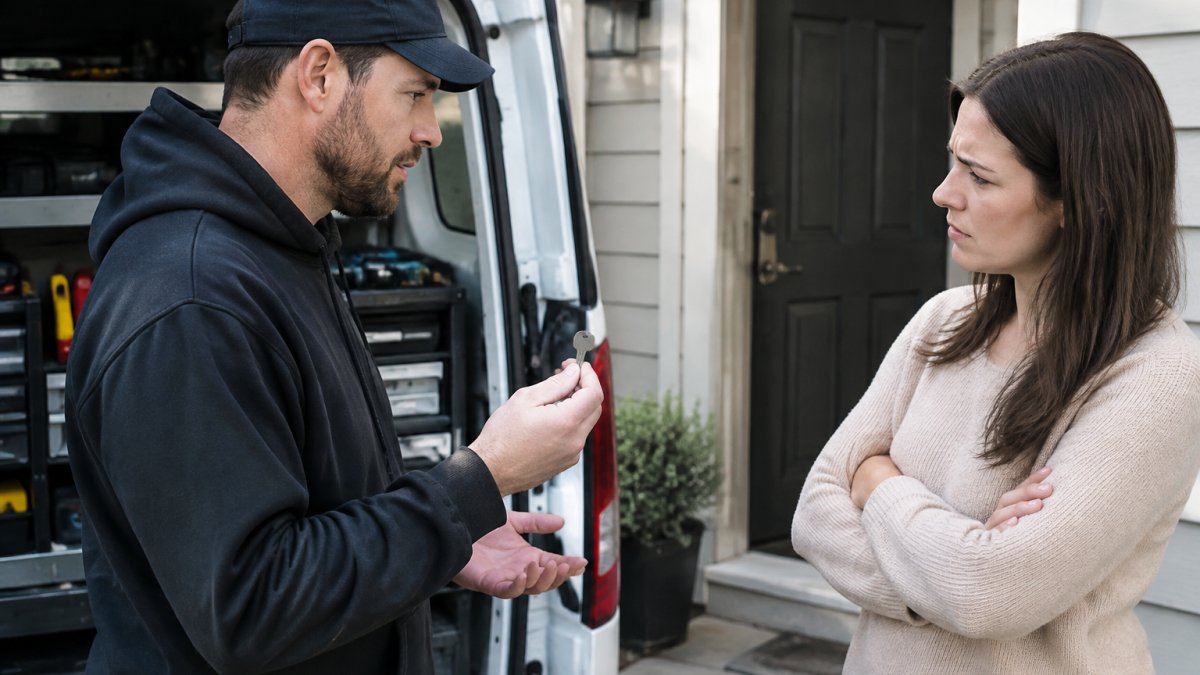
- Duplicate keys and spares cut on the spot, so a lost key never grounds a truck
- Fob and transponder programming done at your yard, avoiding dealership pricing
- Lock and ignition repair handled during scheduled downtime windows
- One point of contact for the whole fleet instead of per-vehicle dealership visits
Blackshirt Lock & Key is fully insured, which matters when a technician is working on your property and around your vehicles.
Fleet Vehicle Lockout Services: What to Do When a Driver Is Stranded
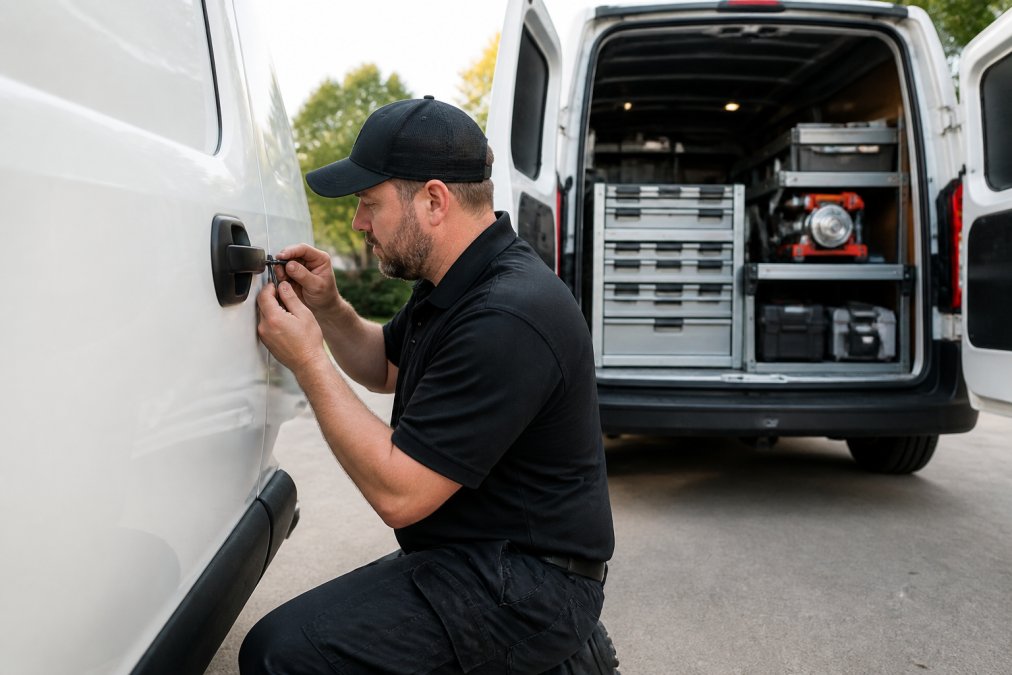
Fleet vehicle lockout services exist for one scenario: a driver is locked out, the vehicle is immobilized, and the route is bleeding time. The fastest resolution is a mobile locksmith dispatched to the driver's location, not a tow to a dealership. The difference between a 30-minute and three-hour resolution is usually decided before the call is placed.
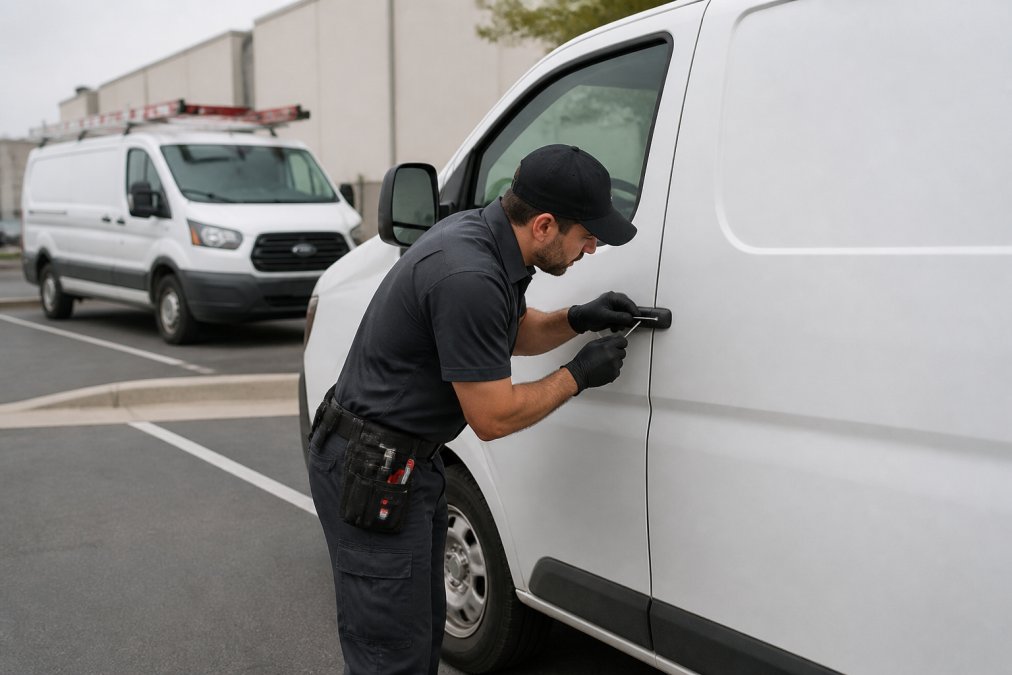
The Fleet Lockout Decision Tree
Not every lockout should trigger the same response. Triage before dispatching to save money and keep vehicles moving:
- Keys locked inside, engine off, driver on site: dispatch mobile service. This is the simplest, cheapest call.
- Keys lost, vehicle in a secure yard: dispatch during the next scheduled downtime window rather than paying emergency rates. A lost key is not a roadside emergency if the vehicle is already parked.
- Keys lost, vehicle stranded on a route or jobsite: dispatch immediately. The vehicle is unbillable and may be blocking a customer or a public right-of-way.
- Fob failure with the physical key present: the driver may be able to enter manually and start the vehicle, depending on the model. Confirm before dispatching.
- Suspected theft or forced entry: do not dispatch a locksmith first. Secure the vehicle, notify your insurer, and involve law enforcement before any lock work is performed.
A locksmith who re-keys a stolen vehicle can complicate an insurance claim and destroy evidence (iii.org). Require supervisor sign-off whenever forced entry is suspected.
Step-by-Step: Calling for an Emergency Lockout
- Confirm the driver's exact location and vehicle details (make, model, year, and whether it is a chipped or smart key system).
- State whether keys are locked inside, lost, or the fob has failed.
- Confirm the vehicle is safely off the roadway before anyone attempts entry.
- Provide a callback number for the driver and a fleet contact for authorization.
- Keep the driver with the vehicle until the technician arrives.
- Log the incident, date, vehicle, driver, cause, resolution time, and cost, so patterns surface over time.
A common mistake is letting the driver attempt entry with improvised tools. That bends door frames and damages weather seals, turning a simple lockout into bodywork.
What to Have Ready Before the Technician Arrives
Have the vehicle's registration or fleet ID, proof of authorization, and any spare key or fob on hand. If the vehicle uses a chipped or smart key system, note whether the original fob is present so the technician brings the right programming equipment on the first trip.
Two documents speed things up more than anything else: a standing letter of authorization naming who can approve service on the fleet's behalf, and a vehicle roster with year, make, model, and key type for every unit. Fleets that keep both on file see faster dispatch and fewer return trips.
Where Telematics Fits In
If your fleet runs a telematics or fleet management platform, the lockout call becomes a data event. GPS confirms the driver's location for accurate dispatch without phone tag, and most platforms let you attach a service note to the vehicle record, building a per-unit history for renewal or resale. Geofence alerts can flag a vehicle stationary longer than expected, an early signal a driver may be locked out.
None of this replaces the locksmith. It replaces the guesswork about where the vehicle is, how long it has been down, and whether this is the first time.
Commercial Fleet Key Replacement: Spares, Duplicates, and Master Key Systems
Commercial fleet key replacement should be a planned program, not an emergency response. Fleets that avoid lockout chaos keep spare key solutions on hand and manage keys through a deliberate system. Reactive key management is how a single lost key becomes a stranded driver, or a security incident if that key is never recovered.
The Real Cost of a Lost Fleet Key
Most fleet managers track the cost of the replacement key. The bigger number is everything around it:
- Downtime: the vehicle is unbillable until a new key is cut and programmed.
- Driver labor: the driver is paid but not producing.
- Dispatch or tow: if the vehicle cannot be moved, someone has to move it.
- Re-keying exposure: if the lost key is a master or a shared key, every vehicle it opens may need re-keying.
- Insurance and liability: a lost key that is later used in a theft can complicate a claim.
The fully loaded cost of one lost key event is often several times the price of the replacement key itself, the entire argument for a managed key program.
Three Key-Management Models, Compared
Fleet managers generally choose between three approaches. Each has a different cost profile.
| Model | How It Works | Best Fit | Main Trade-Off |
|---|---|---|---|
| Per-vehicle spares | One duplicate key or fob secured at the yard for each vehicle | Small fleets, few vehicle types | Simple, but does not scale and offers no access control |
| Master key system | A structured key hierarchy: one master opens all, sub-masters open groups, driver keys open one vehicle | Mid-size fleets with shared yards | Requires disciplined issuance; a compromised master is a fleet-wide risk |
| Managed key program | Logged checkout, assigned keys per driver, scheduled audits, and a documented re-key policy | Larger fleets, high-turnover driver pools | Higher upfront setup, lowest long-run loss rate |
There is no universal winner. The right model depends on fleet size, driver turnover, and how much your operation depends on vehicles being available on demand.
Building a Spare Key Strategy for Work Trucks and Vans
A workable spare key strategy covers three layers:
- Per-vehicle spares: at least one duplicate key or fob secured at the yard for every vehicle in the fleet.
- Master key systems: a structured key hierarchy so supervisors can access vehicles without carrying dozens of keys.
- Controlled issuance: a logged checkout system so you always know which key is with which driver.
High-security locks and master key systems reduce the risk that one lost key compromises multiple vehicles, and for vans and work trucks a master key setup simplifies daily operations.
Two practical rules make any of these models work better:
- Never issue a key without logging it. A simple sign-out sheet or a spreadsheet tied to the vehicle ID is enough for most fleets.
- Re-key on separation. When a driver leaves the company, treat their assigned key as compromised until it is returned and verified. If it is not returned, re-key the affected vehicle.
Where Telematics and Fleet Software Fit
If your fleet runs a telematics or fleet management platform, key issuance can live alongside driver assignment and vehicle history, giving you a single record of which driver had which vehicle and key on any date, useful in an incident review, insurance claim, or driver dispute. It also lets you flag vehicles whose keys haven't been audited in a set period.
A Simple ROI Frame
When comparing a managed key program against doing nothing, count both sides honestly. Costs: setup, duplicate keys, and program labor. Benefits: fewer downtime events and emergency calls, lower re-key exposure, cleaner insurance documentation. For most fleets with more than a handful of vehicles, the benefit side wins, but the crossover point depends on your incident history, which is why logging every key event matters from day one.
Mobile Car Key Fob Programming for Transponder and Smart Keys
Mobile car key fob programming covers transponder keys, smart keys, and remote programming, all performed on site. Modern fleet vehicles rely on chipped keys and immobilizer systems, so a cut key alone won't start the vehicle, it must be programmed to the immobilizer (nhtsa.gov).
Transponder Key Programming, Immobilizer Reset, and Remote Programming
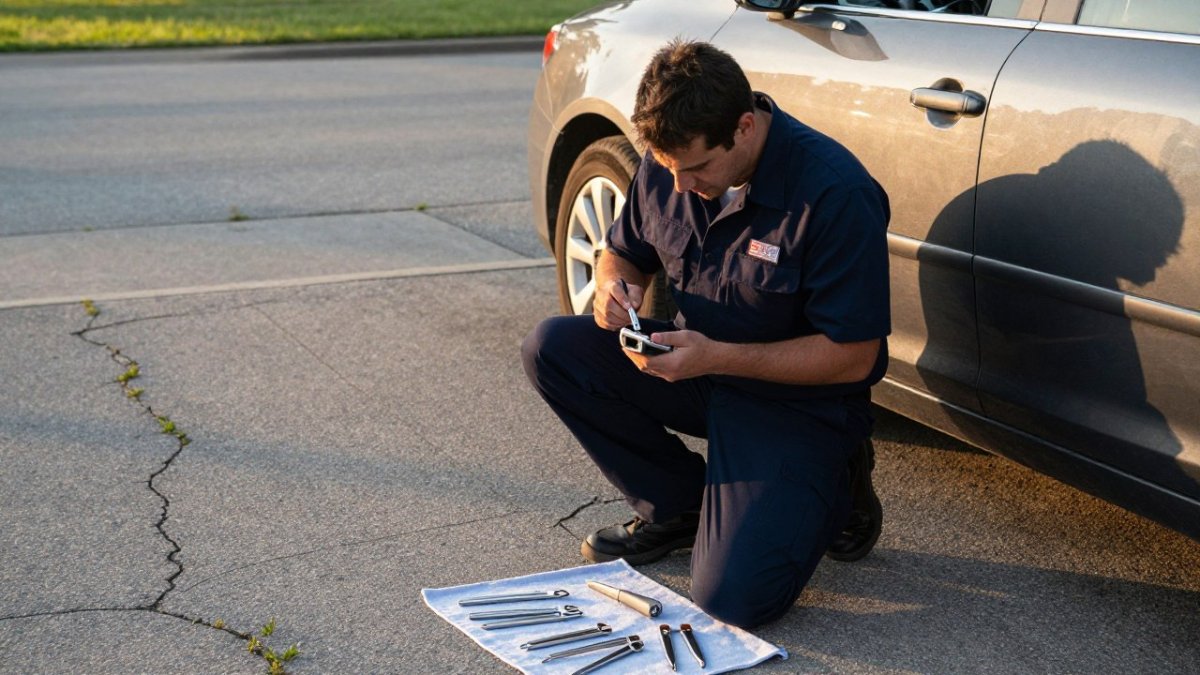
Transponder key programming pairs a new key to the anti-theft system. An immobilizer reset clears a fault preventing the vehicle from recognizing a valid key. Remote programming configures keyless entry. All three can be handled by a mobile technician with the right equipment.
Programming capability varies by make and model, so a technician who handles transponder keys for one fleet may need different tools for another. When booking, give the year, make, and model of every vehicle you need serviced so the right equipment is loaded.
Ignition Cylinder and Door Lock Repair: Fixing the Root Cause
Ignition cylinder and door lock repair addresses the cause of recurring key problems rather than the symptom. A worn ignition cylinder is often why a key sticks, a fob fails intermittently, or a vehicle won't start. Replacing the cylinder fixes the root issue; cutting a new key for a worn cylinder just delays the next failure.
Watch for these warning signs across your fleet:
- Keys that require jiggling or extra force to turn
- Intermittent no-start conditions with a known-good key
- Door locks that stick, grind, or fail to engage
- Fobs that work only at close range or not at all
Addressing these during scheduled maintenance prevents the roadside failure later.
Fleet Security Risk Assessment and Preventative Lock Maintenance
A fleet security risk assessment identifies where your vehicles and keys are vulnerable before an incident exposes them. Most fleets focus on reactive lockout response and skip the proactive side entirely.
Building a Preventative Maintenance Schedule for Locks and Ignitions
A simple schedule keeps lock and ignition problems from becoming emergencies:
| Interval | Task | Purpose |
|---|---|---|
| Monthly | Inspect door locks and ignition cylinders on high-mileage vehicles | Catch wear early |
| Quarterly | Test all fobs and keyless entry functions | Confirm remotes work |
| Every 6 months | Audit spare key inventory and master key system | Prevent key loss gaps |
| Annually | Full fleet security risk assessment | Identify vulnerabilities |
This kind of schedule turns lock maintenance into a predictable line item instead of a recurring emergency.
How Much Does Mobile Locksmith Service Cost for Fleets?
Mobile locksmith service for fleets is priced per job based on service type, number of vehicles, and the vehicle's key and immobilizer system. There's no flat rate, because a simple duplicate key and a smart key with full programming are very different jobs.
Pricing depends on quantity, vehicle type, and the specific service. Blackshirt Lock & Key publishes straightforward, honest pricing with no hidden fees, and current rates are available on the Blackshirt Lock & Key pricing page. For fleet work, request a quote covering your vehicle list so the estimate reflects the actual scope.
A cost-benefit view helps here. When you compare the cost of a single mobile service call against the lost revenue from one idle truck for a day, the on-site option usually wins. For fleets, the decision is less about the per-job price and more about the downtime it prevents. Fleet managers looking to reduce that downtime can review fleet maintenance best practices when building out a service agreement.
Managing a fleet means every immobilized vehicle is money walking out the door, and lock and key problems are among the most preventable causes. Blackshirt Lock & Key handles the full scope on site: fully mobile service that comes to your yard, on-site key cutting and fob programming, quick re-keying, and professional installation of commercial-grade locks, all backed by fully insured technicians and straightforward pricing with no hidden fees. Get started with Blackshirt Lock & Key and keep your fleet moving instead of waiting at a dealership. Call now.
Frequently Asked Questions
How much does a mobile locksmith cost for fleet vehicles?
Pricing depends on the number of vehicles, key type, and whether the job is an emergency lockout or scheduled service. Blackshirt Lock & Key publishes its pricing on its website, so you can see the numbers before you book rather than getting surprised after the work is done.
Can a mobile locksmith program transponder keys for fleet trucks?
Yes. Mobile locksmiths carry programming equipment that handles transponder key programming, smart key pairing, and immobilizer resets for most fleet trucks, vans, and work vehicles. This means you avoid towing a truck to a dealership and waiting days for an appointment. For commercial fleet key replacement, ask the locksmith to confirm your specific make, model, and year before the visit so they bring the right blanks and tools.
What should a driver do if they are locked out of a fleet vehicle?
First, confirm the keys are actually inside and the vehicle is in a safe spot away from traffic. Call your fleet manager or the mobile locksmith directly with the vehicle's location, make, model, and plate number. Do not attempt to pry the door or window open, since that can damage the door lock and turn a quick lockout into a lock repair job. A mobile locksmith can usually unlock the vehicle on site without damage.
Are mobile locksmiths more expensive than going to a dealership?
A mobile locksmith comes to your yard or the driver's location, so the vehicle gets back on the road the same day.